Composite decking is generally the better long-term choice for your outdoor space, offering 25–30+ year durability, minimal maintenance (no sanding or staining), and resistance to mold, insects, and splintering. While wood provides natural, authentic beauty and lower upfront costs, it requires regular, costly maintenance and lasts 10–20 years. If you’re wondering about Composite Decking vs Wood, composite decking clearly wins for durability, safety, and long-term value.
Wood decking, on the other hand, gives natural warmth and charm and costs less upfront, but it requires regular maintenance like sealing, staining, or sanding every 1–3 years. Its lifespan is shorter, usually 10–20 years, and it is more prone to rot, cracks, and insect damage. If you want a deck that lasts longer with less effort, composite decking in Dallas, TX, is the smart choice.
What Is Composite Decking?
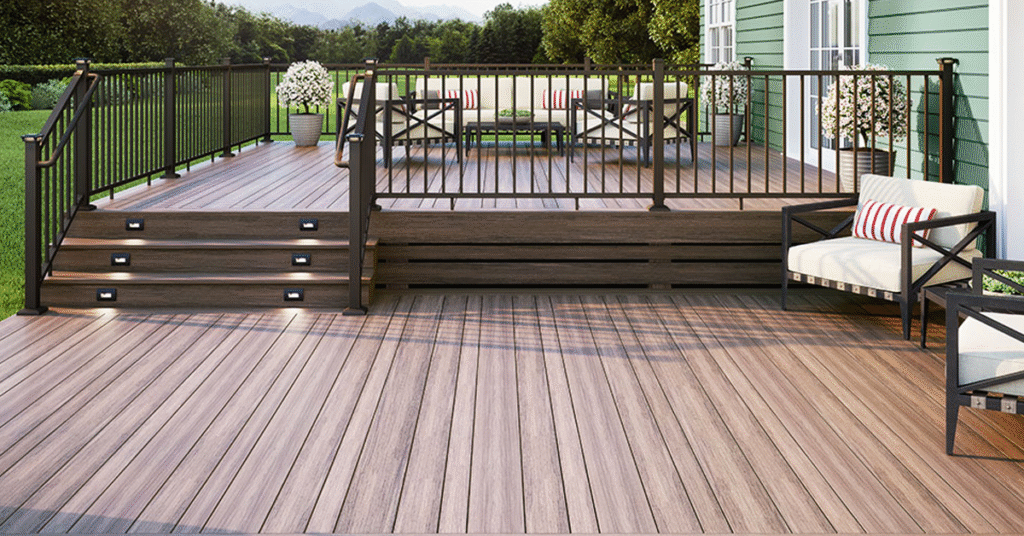
Composite decking is a man-made material created from a mix of recycled plastics, wood fibers, or minerals. Popular brands include Trex, TimberTech, and Fiberon.
Composite decking is built to:
- Resist moisture, rot, and insects
- Maintain color and texture over time
- Remain splinter-free and smooth
- Require very little maintenance, usually just a wash with soap and water once or twice a year
Modern composite decking comes in a wide range of colors and textures, from natural wood tones to sleek gray or driftwood-inspired finishes. It’s perfect for Dallas homeowners who want a durable, stylish, and low-maintenance outdoor space.
What Is Wood Decking?
Wood decking is made from natural timber like pressure-treated pine, cedar, redwood, or exotic hardwoods. It has a warm, natural look and is often cheaper upfront.
However, there are some downsides:
- Wood absorbs moisture, which can cause rot or swelling.
- It splinters over time, making it unsafe for kids or pets.
- Wood decks need regular maintenance like sanding, staining, and sealing.
- In hot climates like Dallas and Texas, wood can crack or warp faster due to heat and sun exposure.
Wood decking may seem like a classic choice, but in the long run, it can cost more because of constant upkeep and repairs.
Composite Decking vs Wood: Quick Comparison
Here’s a quick comparison of composite decking vs wood, highlighting durability, maintenance, and long-term value.
| Feature | Wood Decking | Composite Decking |
| Durability | 10–25 years; susceptible to rot, warping, and insects | 25–50 years; resistant to moisture, insects, and UV fading |
| Maintenance | Annual staining/sealing, sanding, and repairs | Minimal – wash with soap and water once or twice a year |
| Cost (Material + Installation) | Lower upfront, higher long-term | Slightly higher upfront, cost-effective long-term |
| Appearance | Natural, warm, but fades quickly | Consistent color, mimics wood, multi-tonal options |
| Safety | Splinters, slippery when wet | Smooth, slip-resistant, safe for kids/pets |
| Weather Resistance | Prone to cracking/warping in sun/heat | Handles Dallas heat, rain, and humidity well |
| Environmental Impact | Renewable, but chemicals are used in treatment | Made with recycled plastics and reclaimed wood, the long lifespan reduces waste |
Durability: Which Lasts Longer?
Composite decking wins easily in durability. Unlike wood, it won’t crack, warp, or rot over time. Many composite boards are backed by 25–50-year warranties, meaning your deck will look great and stay safe for decades.
Wood decks, even premium cedar or hardwood, usually last 10–25 years, depending on maintenance and weather exposure. Dallas heat and humidity can make wood age even faster, while composite decking experts in Dallas, TX ensure boards stay stable and durable all year.
Maintenance: Minimal Effort With Composite
In composite decking vs wood decking, Wood decks need constant care. You have to sand rough spots, stain every 1–3 years, seal to prevent moisture damage, and repair warped or cracked boards. Over time, this maintenance can become expensive and time-consuming, especially in harsh weather like Dallas summers and rainy seasons.
Composite decking is much easier to maintain. You only need to wash it once or twice a year. There’s no sanding, staining, or sealing required. It resists rot, mold, and insects, keeping a clean look with minimal effort. For busy homeowners, this means more time enjoying the deck and less time working on it.
Cost: Long-Term Value of Composite
Wood may cost less upfront, but hidden costs add up:
- Annual staining/sealing ($300–$700/year)
- Repairs and replacement boards
- Labor is hiring professionals
Composite decking is slightly higher upfront, but over 10–15 years, it often saves money due to zero maintenance and longer lifespan.
Example:
| Material | Initial Cost | 10-Year Maintenance | Total 10-Year Cost |
| Pressure-Treated Wood | $25–$35/sq.ft | $3,000–$5,000 | $6,000–$8,500 |
| Cedar/Hardwood | $40–$60/sq.ft | $2,000–$4,000 | $6,000–$9,000 |
| Composite (Trex/Fiberon) | $50–$60/sq.ft | Minimal | $5,500–$6,500 |
Composite provides the best long-term value, especially in Dallas weather.
Appearance: Modern & Lasting Beauty
Wood decking offers natural warmth and charm, but its color fades quickly over time. Sun, rain, and daily use can make it look dull, and maintaining its beauty requires regular staining or sealing.
Composite boards are designed to mimic real wood textures while staying vibrant. You can find rich browns like walnut or mahogany, gray driftwood tones, and multi-tonal boards for a natural look. Unlike wood, composite keeps its color and texture year after year, making your deck look fresh and modern without constant upkeep.
Safety & Comfort: Family-Friendly Decking
Wood can splinter, warp, or become slippery when wet. Composite decking is:
- Smooth and splinter-free
- Slip-resistant, even in rain or poolside areas
- Cooler underfoot, especially in the Dallas heat
For homes with kids, pets, or pools, composite decking is safer and more comfortable than traditional wood.
Weather Performance: Built for Dallas Climate
Dallas summers can get hot and humid, while occasional rain adds moisture to wood decks. Composite decking is engineered to:
- Resist UV fading from the Texas sun
- Stay strong under heat and humidity
- Avoid water damage or rot
- Maintain structural integrity despite temperature swings
Wood decks are more vulnerable to cracking, warping, and fading under the same conditions.
Problems People Face With Wood or Poor-Quality Decks
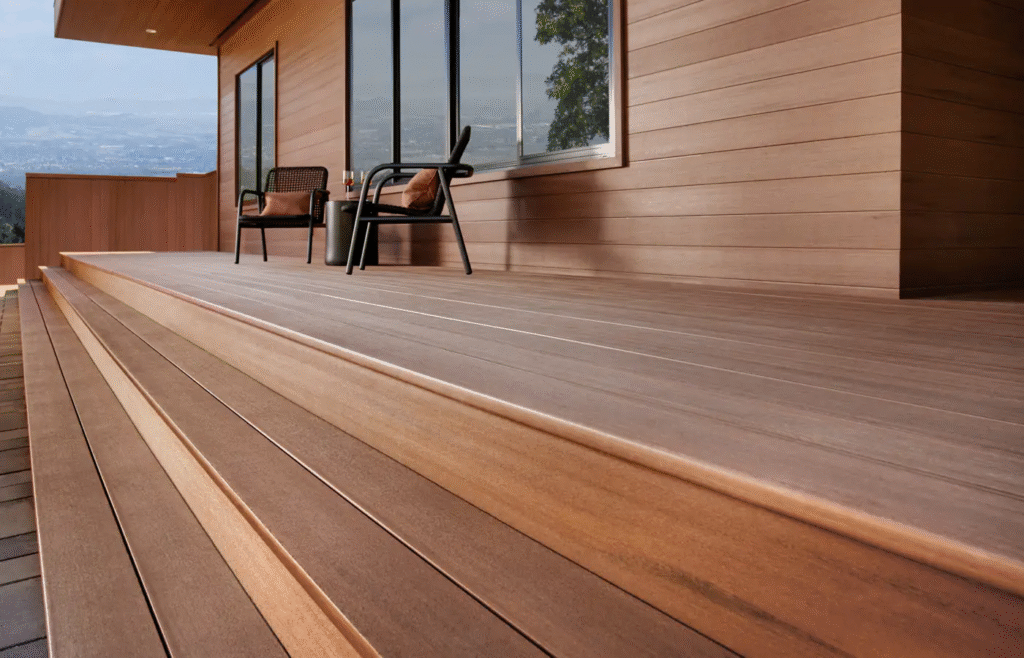
Many homeowners struggle with wood decks or poorly built outdoor spaces. Common issues include:
- Rotting boards or insect damage
- Warping or cracks in hot weather
- Splinters and safety hazards
- Constant maintenance like sanding, staining, and sealing
- Uneven fading or color loss
These problems can make an outdoor space unsafe or unusable, especially for families with kids or pets. Poor-quality wood decks often require frequent repairs, costing both time and money.
So, Which Decking Is Better for Your Outdoor Space?
So, between composite decking vs wood, Composite decking is generally the best choice for long-term outdoor projects. It offers 25–30+ years of durability, resists moisture, UV fading, insects, and splintering, and requires minimal maintenance, just a quick wash once or twice a year. Unlike low-quality decks that may warp, crack, or fade, high-grade composite boards stay strong, safe, and visually appealing in Texas weather.
While the initial cost is higher than traditional materials, the long-term investment pays off because you save on repairs, replacements, and upkeep. Composite decking with professionals in dallas tx is a smart investment for your outdoor space and adds long-term value to your home.
Problems People Face With Composite Decks
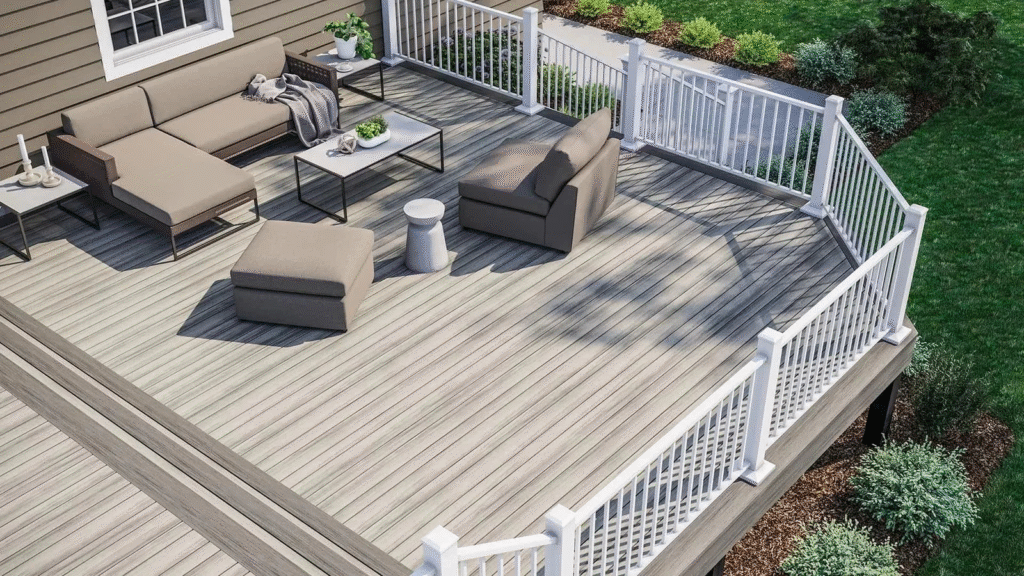
Even though composite decking is a popular choice for outdoor living spaces, homeowners can face challenges if the boards are low-quality or if installation isn’t done properly. Here are the main issues seen in the Dallas–Fort Worth, TX area:
Improper Installation by Inexperienced Contractors
Uneven surfaces, misaligned boards, and weak framing can result from installers who don’t know modern composite techniques. These errors affect both the look and the long-term durability of your deck, causing sagging, separation, or buckling.
Limited Design Options
Some contractors offer only basic layouts or a narrow color range, which can make a deck look generic. Without thoughtful design, like multi-tonal boards, custom railings, or built-in seating, your deck won’t reflect your home or personal style.
Weather-Related Damage Over Time
Texas heat, humidity, and storms can affect poor-quality composite boards. Cheap or improperly sealed boards may expand, fade, or trap moisture, reducing the lifespan of your deck even though composite is naturally weather-resistant.
Difficulty Maintaining or Cleaning the Deck
Using the wrong cleaners or tools can damage composite boards. Without proper guidance, maintenance may be frustrating and could unintentionally shorten the deck’s lifespan.
Poor-Quality Materials from Budget Installers
Low-grade composite boards may look fine initially, but can warp, fade, or crack within a few years. Choosing trusted brands like Dfw Property Remodels ensures durability, long-term value, and peace of mind.
Professional Composite Decking Services in DFW You Can Trust
Solutions Provided by DFW Property Remodelers
At DFW Property Remodelers, we specialize in high-quality composite decking. Here’s how we solve common problems:
- Durable, weather-resistant materials, boards that last for decades
- Professional installation, precise measurements, secure foundations, reinforced stairways, and railings
- Low-maintenance design, no sanding, staining, or sealing required
- Custom layouts and decks designed for your family’s needs and lifestyle
- Aesthetic finishesmodern colors, realistic wood textures, and hidden fasteners for a clean look
We handle everything from permits and framing to final board installation, so your deck is ready to use immediately and built to last in Dallas weather.
Conclusion
Composite Decking vs Wood shows that composite decking is the best choice for Dallas, TX, homeowners who want a safe, durable, low-maintenance, and beautiful outdoor space. While wood may offer a natural look and lower upfront cost, the long-term durability, minimal upkeep, and lasting beauty of composite decking make it the smarter investment for any backyard.
With DFW Property Remodelers, you get expert installation, high-quality materials, and a deck that lasts, ready for family fun, entertaining, and relaxation.
Composite Decking in Dallas: Customer Experience
“My name is Jessica from Arlington, TX. We wanted a backyard deck that looks great, lasts long, and is safe for our kids and pets. DFW Property Remodelers helped us choose the perfect composite boards, design the layout, and install everything professionally. Our new deck is beautiful, low-maintenance, and perfect for family time outdoors. We love spending more time enjoying it than worrying about upkeep!”
If you’re looking for composite deck installation in Dallas, Plano, Fort Worth, or the DFW area, DFW Property Remodelers provides expert guidance, quality materials, and smooth, reliable installation from start to finish.
Composite Decking Experts in Dallas
Visit Us: 1826 Tartan Dr, Carrollton, TX 75006, USA
Call Us: (469) 550‑9306
Email: dfwpropertyremodelers@gmail.com
Hours: Mon–Fri: 9 AM–6 PM • Sat: 9 AM–4 PM • Sun: Closed
Call us now for your basement remodeling.
FAQs
Q1: How Long Does Composite Decking Last?
Composite decking typically lasts between 25 and 30 years, with high-quality, capped options often lasting 50 years or more. This lifespan is much longer than traditional wood decking, which usually lasts 10 to 15 years. Choosing trusted brands like Trex, TimberTech, or Fiberon ensures durability, low maintenance, and resistance to rot, mold, and insects.
Q2: Composite Decking vs Wood Decking: Which is best?
Composite decking is generally the smarter choice for long-term durability, low maintenance, and safety. It lasts 25–30+ years, resists rot, insects, and splinters, and only requires simple washing. Wood offers natural beauty and lower upfront costs, but needs regular staining or sealing and usually lasts 10–20 years.
Q3:How Does the Cost of Composite Decking Compare to Wood?
Composite decking usually costs 40–60% more upfront than pressure-treated wood, with materials ranging from $5–$20+ per sq. ft., compared to $3–$8 for wood. While wood has a lower initial price, it requires regular, costly maintenance like staining, sealing, and repairs. Over 5–10 years, composite decking becomes more cost-effective thanks to its durability, long lifespan, and minimal upkeep.
Q4: What factors affect the choice of decking materials?
The main factors include local climate, maintenance needs, budget, and desired appearance. Wood offers natural beauty but requires frequent upkeep, while composite decking provides durability, low maintenance, and a 25+ year lifespan. Choosing the right material depends on balancing cost, style, and long-term performance.
Q5: What are the pros and cons of composite decking?
Composite decking is durable, low-maintenance, and resistant to rot, mold, and fading, making it ideal for long-term use. Its drawbacks include higher upfront costs, heat retention under direct sunlight, and a slightly less natural wood appearance. Overall, it offers excellent longevity and modern aesthetics for outdoor spaces.
Q6: What are the pros and cons of wood decking?
Wood decking provides natural warmth, a classic look, and lower upfront costs, and it’s easy to install or repair. However, it requires frequent maintenance like staining and sealing, and is prone to rot, pests, and splinters. While beautiful, wood decks may cost more over time due to upkeep.
Q7: What Type of Composite Decking is Best?
Trex is a top choice for composite decking, known for durability, low maintenance, and eco-friendly materials. Their capped composite boards come in a variety of colors, textures, and wood-like finishes, providing both style and long-lasting performance for any outdoor space.
Q8: What Should You Not Use on a Composite Deck?
Avoid harsh chemicals like bleach, acetone, or strong solvents, as they can damage or discolor composite boards. Stick to mild, non-abrasive cleaners such as dish soap or cleaners specifically made for composite decking. Regular gentle cleaning keeps your deck looking new and ensures long-term durability.
Q9: How do I maintain my composite deck?
Composite decking is low-maintenance but not maintenance-free. Clean it at least twice a year to remove dirt, debris, and mold. Avoid harsh chemicals, ensure proper drainage, and your deck will stay beautiful and durable for decades.
Q10: Why choose DFW Property Remodelers?
DFW Property Remodelers manages every step of your composite deck project, from initial design and material selection to professional installation. We use trusted brands like Trex, TimberTech, and Fiberon to ensure your deck is safe, durable, and low-maintenance. With our expertise, your outdoor space will be beautiful, long-lasting, and ready for family enjoyment.