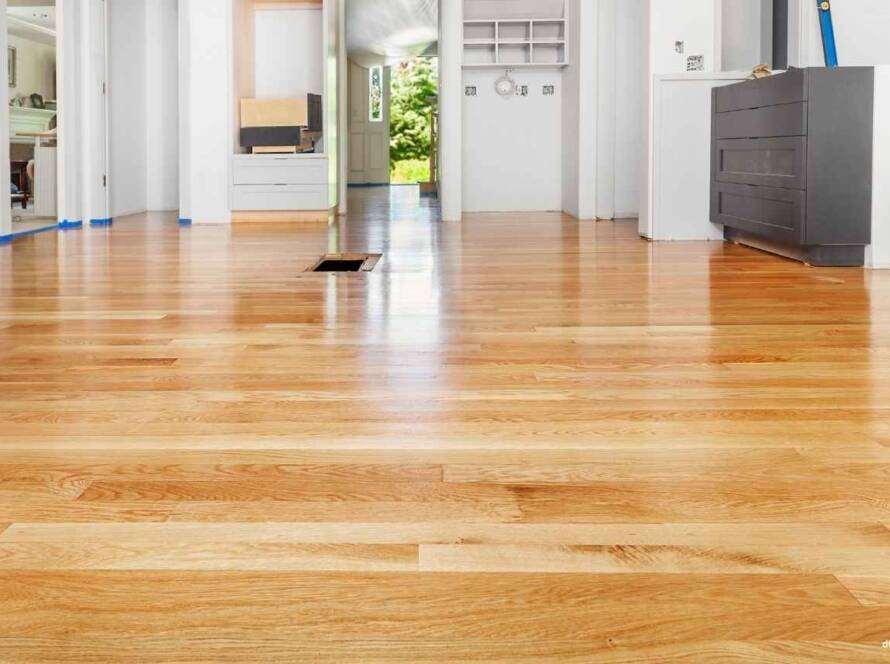
Flooring installation cost in Dallas, TX, typically ranges from $4 to $16+ per square foot, with most homeowners spending around $6.40 to $12.50 per square foot for materials and professional labor. Costs vary by material: vinyl and laminate are the most budget-friendly at $2–$5 per sq. ft., while hardwood flooring ranges from $11–$25 per sq. ft. Engineered wood and tile fall in the mid-range depending on quality and installation complexity.
Several factors affect the total cost, including room size, subfloor condition, removal of old flooring, and installation complexity. For accurate pricing, homeowners in Dallas can get free estimates from trusted providers like DFW Property Remodlers. High-quality flooring services in Dallas TX, understanding these costs upfront helps plan budgets effectively and ensures a smooth project
Table of Contents
- Average Flooring Installation Costs in Dallas
- Flooring Cost Breakdown by Material
- Benefits of Installing New Flooring
- How to Choose the Right Flooring for Your Home?
- Tips to Save on Flooring Installation Costs
- How to Get a Free Flooring Estimate in Dallas?
- Best Flooring Company Near Me in Dallas, TX
- Conclusion
- FAQs
Average Flooring Installation Costs in Dallas
Flooring installation costs in Dallas vary depending on material, labor, project size, and the condition of your subfloor. On average, you can expect to pay $4 to $15 per square foot installed, including both materials and labor. Labor alone typically ranges between $2 and $5 per square foot, depending on the flooring type and installation complexity.
Factors Influencing Cost:
- Room Size & Layout: Larger rooms cost less per sq. ft., complex layouts cost more.
- Subfloor Condition: Uneven or damaged subfloors require prep, adding $0.50–$5.40 per sq. ft.
- Material Quality & Brand: Premium or branded materials increase cost but last longer.
- Removal of Old Flooring: Carpet $0.70–$1.60, tile $2–$7 per sq. ft. for removal and disposal.
- Installation Complexity: Patterns, stairs, and corners increase labor costs.
- Local Labor Rates: Dallas rates vary; skilled installers cost more but ensure quality.
By understanding these cost drivers, you can better estimate your budget before starting your project.
Flooring Cost Breakdown by Material
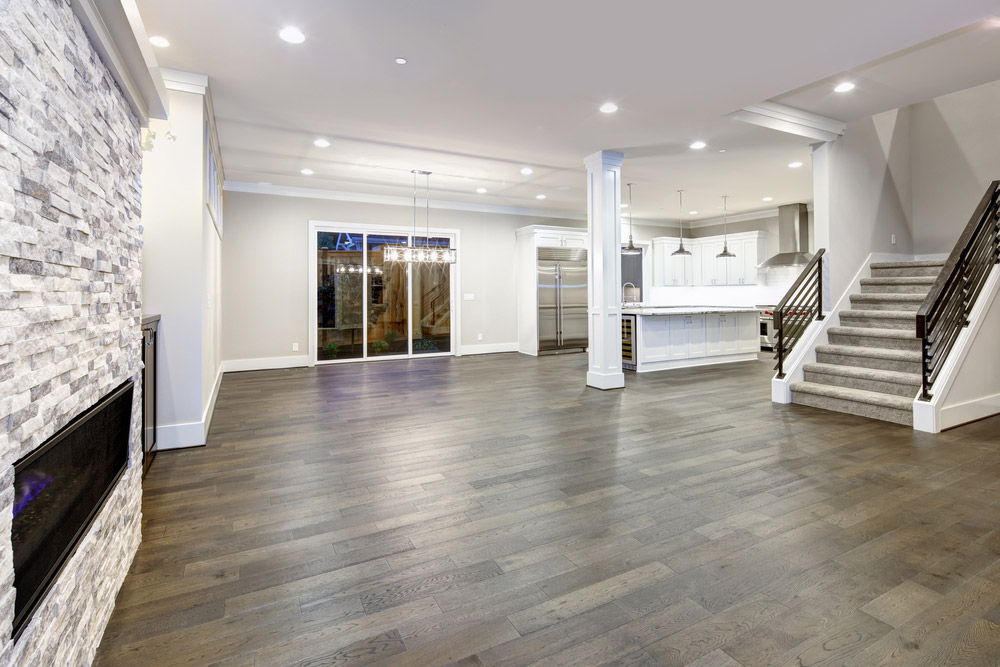
Dallas homeowners have a variety of flooring options. Here’s a detailed look at the materials offered by our website and their associated costs.
Hardwood Flooring
Hardwood flooring is a classic, durable option that can increase your home’s value. Material costs range from $4–$15 per sq. ft., with installation adding up to $11–$25 per sq. ft. Hardwood can be refinished multiple times, making hardwood floor refinishing in Dallas a great option, and it comes in a wide variety of wood species, colors, and finishes.
It’s best for living rooms, bedrooms, and dining areas where aesthetics and long-term durability matter. Hardwood is not recommended for bathrooms or basements unless properly treated to handle moisture. Regular maintenance, like polishing, can keep hardwood looking new for decades.
Engineered Wood Flooring
Engineered wood offers the beauty of hardwood at a lower cost, with a composite core topped by a thin wood veneer. Material costs are $2–$9 per sq. ft., and installed costs range from $7–$20 per sq. ft. It is more resistant to humidity and can be installed over concrete slabs.
Ideal for kitchens, living areas, and basements with proper moisture barriers, engineered wood combines cost, durability, and style, making it a popular choice in Dallas homes. It provides the real wood look without the higher risk of warping found in solid hardwood.
Vinyl Flooring (LVP / LVT)
Vinyl flooring, including Luxury Vinyl Plank (LVP) and Luxury Vinyl Tile (LVT), is budget-friendly and highly versatile. Materials cost $2–$10 per sq. ft., with installation totaling $4–$16 per sq. ft. Vinyl can mimic hardwood, tile, or stone while remaining durable and easy to maintain.
Water-resistant and scratch-resistant, vinyl is perfect for bathrooms, kitchens, laundry rooms, and basements, making it a low-maintenance, cost-effective choice without sacrificing style. It also adapts well to high-traffic areas and pets.
Laminate Flooring
Laminate flooring mimics the look of wood or stone at a fraction of the cost. Material prices are $1–$6 per sq. ft., with installed costs ranging from $4–$14 per sq. ft. Laminate is scratch and stain-resistant, easy to install, and requires no refinishing.
It works best in bedrooms, living rooms, and home offices, offering homeowners the appearance of hardwood without the premium price. Its DIY-friendly nature makes it a favorite for budget-conscious homeowners.
Tile Flooring
Tile flooring is durable, versatile, and water-resistant, making it ideal for high-moisture areas. Material costs vary from $2–$30 per sq. ft., with installed costs ranging from $10 to $50 per sq. ft. Ceramic and porcelain tiles are most common, and tiles come in many sizes, patterns, and finishes.
Tile is perfect for bathrooms, kitchens, entryways, and mudrooms. While installation can be more labor-intensive, its durability and low maintenance make it a smart long-term investment. Tiles are also great for radiant heating systems, adding comfort in colder months.
Affordable Refinishing Hardwood Floors Services Near You in DFW
Benefits of Installing New Flooring
Investing in new flooring is more than just a cosmetic upgrade—it can transform your home’s look, feel, and functionality. Modern flooring options provide a wide range of advantages that make them a smart long-term investment for homeowners.
- Enhances home appearance: New floors instantly modernize and refresh any space.
- Increases property value: High-quality flooring can boost resale value and attract buyers.
- Improves comfort: Carpeted or insulated flooring adds warmth, while tile or stone keeps homes cooler in warmer climates.
- Reduces allergens: Replacing old carpets helps reduce dust, mold, and allergens, promoting healthier living.
- Durability and water resistance: New flooring lasts longer, resists everyday wear, and handles spills or moisture better than old floors.
With these benefits, upgrading your flooring not only improves the visual appeal of your home but also enhances comfort, safety, and long-term value. Choosing the right material ensures your investment pays off for years to come.
How to Choose the Right Flooring for Your Home?
Selecting the right flooring depends on room usage, budget, and style:
Room Function
Bathrooms and kitchens should have vinyl, tile, or engineered wood for durability and water resistance. Bedrooms work best with hardwood, laminate, or carpet alternatives for comfort, while living areas benefit from hardwood or laminate to combine style and longevity.
Durability & Maintenance
Choose scratch-resistant flooring for high-traffic areas and water-resistant materials for moisture-prone rooms to ensure long-lasting performance. Regular upkeep keeps floors looking new and protects your investment.
Budget Considerations
Vinyl and laminate are cost-effective options with lower upfront costs, while hardwood and tile offer higher quality and better long-term return on investment despite higher initial expenses.
Style & Design
Pick flooring that complements your home’s interior, considering color, finish, and pattern to create a cohesive and visually appealing look. Flooring style can transform the feel and personality of any space.
Tips to Save on Flooring Installation Costs

Even with premium materials, there are ways to reduce installation expenses:
- DIY prep: Move furniture and remove old flooring before contractors arrive.
- Compare quotes: Get at least 3 quotes from local Dallas installers.
- Buy materials yourself: Sometimes, purchasing directly from stores is cheaper.
- Split the project: Install flooring room-by-room to manage the budget.
- Simplify design: Choose standard sizes and simple patterns to reduce labor costs.
How to Get a Free Flooring Estimate in Dallas?
Getting a professional estimate ensures you understand total costs upfront. A good flooring estimate includes:
- Measuring the space accurately
- Inspecting the subfloor
- Recommending suitable flooring material
- Outlining labor and additional costs
Pro Tip: Check reviews, licenses, and warranties before hiring a Dallas installer. Our website can connect you with trusted local flooring professionals for free estimates.
Best Flooring Company Near Me in Dallas, TX
For homeowners in Dallas and the surrounding DFW area, finding a reliable flooring company near me in Dallas can make all the difference in a project’s success. DFW Property Remodelers has built a strong reputation for delivering professional flooring installation, whether it’s hardwood, engineered wood, laminate, vinyl, or tile. Their team works closely with homeowners to select the right materials, provide accurate cost estimates, and handle the installation process with precision and care.
With years of experience in the Dallas market, DFW Property Remodelers ensures that each flooring project not only enhances the look and feel of a home but also stands the test of time. From small room updates to whole-house flooring installations, their attention to detail, quality workmanship, and expertise make them one of the most trusted flooring companies near you.
Conclusion
Choosing the right flooring for your Dallas home is more than a design decision; it impacts comfort, durability, maintenance, and long-term value. Whether you select hardwood for elegance, engineered wood for moisture resistance, vinyl for affordability, laminate for style, or tile for durability, understanding the flooring installation cost, benefits, and room suitability ensures you make a smart investment. Knowing the expected costs helps you plan your budget and avoid surprises during your project.
Investing in professional installation and high-quality materials not only enhances your home’s appearance but also boosts property value and improves daily living. By carefully considering room function, durability, budget, style, and installation cost, you can select the perfect flooring that meets your needs while elevating the look and feel of your entire home.
Dallas Flooring Installation: Customer Review
My name is Romina, and I live in Dallas, TX. We wanted to upgrade the flooring throughout our home to improve both style and durability. DFW Property Remodelers guided us in choosing the perfect materials, provided accurate cost estimates, and handled the installation with professionalism from start to finish. Their team was attentive, skilled, and ensured everything was done on time and to our satisfaction.
For any flooring project in Dallas, Fort Worth, Frisco, or anywhere in the DFW area, contact DFW Property Remodelers for trusted service, expert guidance, and high-quality results that will last for years.
Flooring Experts In Dallas, TX
Visit Us: 1826 Tartan Dr, Carrollton, TX 75006, USA
Call Us: (469) 550‑9306
Email: dfwpropertyremodelers@gmail.com
Hours: Mon–Fri: 9 AM–6 PM • Sat: 9 AM–4 PM • Sun: Closed
Call us now for your Home remodeling.
FAQs
1. How much does flooring installation cost in Dallas, TX?
Flooring installation in Dallas typically ranges from $4 to $16+ per square foot, depending on material and labor. Vinyl and laminate are the most budget-friendly options, while hardwood, tile, and engineered wood cost more. Professional installation ensures proper fit, durability, and long-lasting results.
2. Which flooring is best for high-traffic areas?
For high-traffic spaces like living rooms and hallways, durable options such as hardwood, laminate, or luxury vinyl plank (LVP) are ideal. These materials resist scratches, dents, and wear, making them a smart long-term investment for busy households.
3. Can I install new flooring over old floors?
In many cases, new flooring can be installed over existing floors if the subfloor is level and undamaged. Engineered wood, laminate, and vinyl are particularly suited for this method, saving time and labor costs, but always consult a professional to ensure proper installation.
4. How long does flooring installation take?
Most residential flooring projects in Dallas take 1–3 days for an average-sized room. Larger projects or complex layouts with stairs and corners can take longer. Proper prep, including subfloor leveling and acclimating materials, helps prevent future issues like warping or gaps.
5. What flooring is best for moisture-prone areas?
Bathrooms, kitchens, and basements require water-resistant flooring. Vinyl, tile, engineered wood, and certain laminate options are ideal, as they handle humidity and spills better than solid hardwood or carpet, reducing the risk of damage over time.
6. How do I choose the right flooring for my home?
Consider room function, durability, budget, and style when selecting flooring. High-traffic or moisture-prone areas need tougher, water-resistant materials, while bedrooms and living areas can focus more on comfort and aesthetics to match your home décor.
7. Does new flooring increase home value?
Yes, new flooring can significantly boost your home’s value. High-quality hardwood, tile, and engineered wood are particularly attractive to buyers and offer strong ROI, while updated, durable floors also improve the overall look and livability of your home.
8. Can I install flooring myself, or should I hire a professional?
DIY installation is possible for vinyl and laminate, but professional installation is recommended for hardwood, tile, or complex layouts. Professionals ensure correct leveling, moisture protection, and seamless finishes, preventing costly repairs in the future.
9. How do I maintain and clean different flooring types?
Maintenance varies by material: hardwood requires gentle cleaning and periodic refinishing, laminate and vinyl need regular sweeping and mopping, and tile benefits from sealing and grout care. Proper maintenance prolongs the lifespan and appearance of your floors.
10. How can I save on flooring installation costs?
Compare quotes from multiple providers, choose materials wisely, and consider installing in phases. DIY prep, like furniture moving or old floor removal, can also reduce labor costs, while shopping for seasonal sales and local promotions helps lower material expenses.