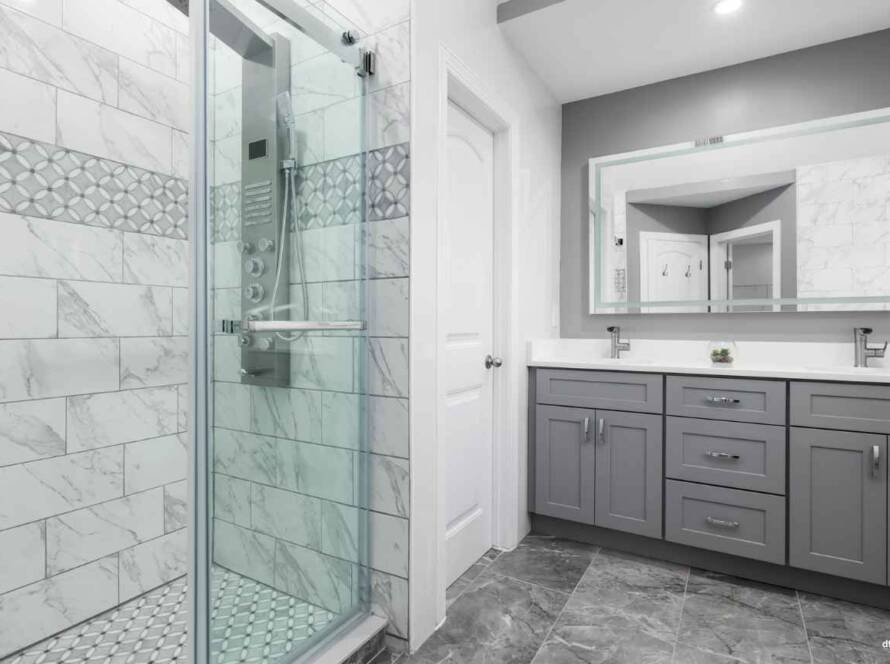
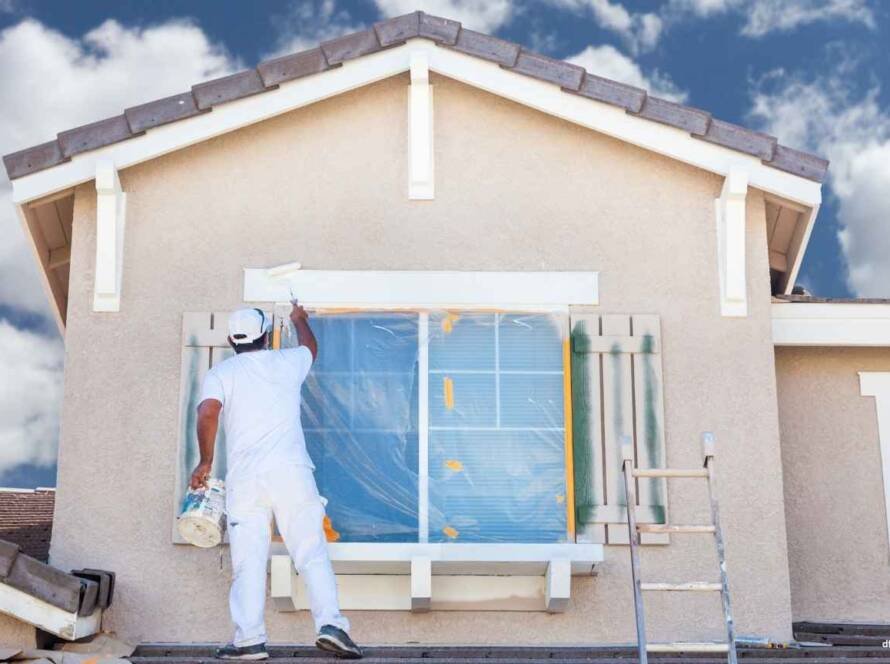
A home remodeling timeline can take anywhere from a few weeks to several months, depending on the size and complexity of the project. Smaller updates like bathroom renovations may take 3–12 weeks, while kitchen remodels usually take 6–16 weeks. Larger renovations, such as whole-home remodeling or home additions, can take 3–12 months or more.
Understanding the home remodeling timeline helps homeowners plan better before starting a renovation. From planning and design to permits, construction, and final inspection, each stage affects how long the project will take. Homeowners working with experienced home remodeling experts in Dallas, TX, can better prepare their budgets, schedules, and expectations before beginning their remodeling journey.
Table of Contents
- Understanding the Home Remodeling Timeline
- Average Remodeling Timelines by Project Type
- The Major Phases of a Remodeling Project
- Step-by-Step Remodeling Timeline Explained
- Factors That Can Affect Remodeling Timelines
- Typical Remodeling Timeline for Dallas Homes
- Tips to Keep Your Remodeling Project on Schedule
- Why Hiring the Right Remodeling Contractor Matters?
- Common Remodeling Delays and How to Avoid Them
- Conclusion
- FAQs
Understanding the Home Remodeling Timeline
A home remodeling timeline is the estimated schedule showing how long each phase of a renovation project will take. It begins with the first consultation with a contractor and ends when the final walkthrough is completed. Remodeling projects involve many moving parts. Designers, contractors, suppliers, and homeowners all play important roles. Each step must be completed before the next stage can begin.
Knowing the timeline helps homeowners prepare for changes that happen during construction. It allows them to plan budgets, schedule work, and prepare for temporary disruptions in their daily routines. For homeowners in Dallas who are planning renovations, understanding the full timeline helps prevent surprises and keeps projects moving smoothly.
Average Remodeling Timelines by Project Type
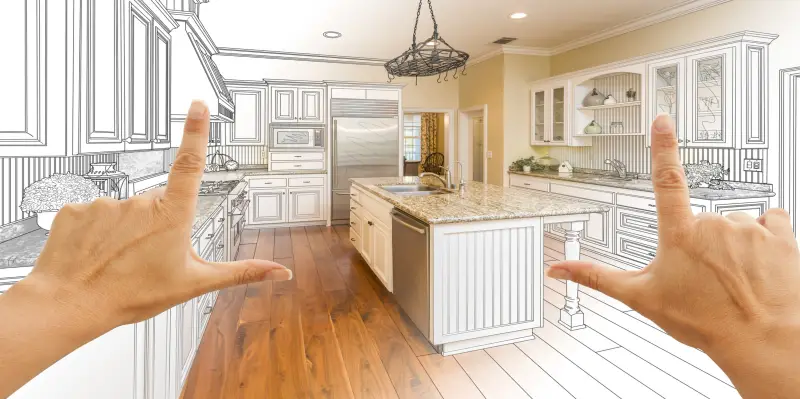
Different types of remodeling projects require different timelines. Smaller renovations usually take less time, while larger projects involving structural changes can take several months.
| Remodeling Project | Average Timeline |
| Bathroom Remodel | 3 – 12 weeks |
| Kitchen Remodel | 6 – 16 weeks |
| Basement Renovation | 4 – 8 weeks |
| Home Addition | 4 – 9 months |
| Whole Home Remodel | 3 – 12 months |
Bathroom remodeling projects are usually faster because they involve smaller spaces and fewer structural changes. Kitchen remodels often take longer due to cabinetry, appliances, and plumbing work. Whole-home remodeling projects require the most time because multiple rooms and systems are involved.
How Long Does a Bathroom Remodel Take?
A bathroom remodel in Dallas, TX, usually takes 3 to 12 weeks, depending on the size of the space and the type of renovation being done. Smaller bathrooms with simple upgrades, such as replacing fixtures, repainting walls, or installing new flooring, can often be completed within 3 to 4 weeks. These projects move faster because they typically do not involve major plumbing or structural changes.
Larger bathroom remodels that include new tile work, updated showers or bathtubs, vanity installations, and plumbing adjustments may take 6 to 12 weeks. Custom materials, permit approvals, and contractor scheduling can also extend the timeline, especially if the project involves significant layout or structural changes.
How Long Does a Kitchen Remodel Take?
A kitchen remodel typically takes 6 to 16 weeks, depending on the complexity of the project. Smaller kitchen updates, such as replacing countertops, painting cabinets, or installing new appliances, can often be completed within 6 to 8 weeks. These projects are quicker because they focus mainly on surface-level improvements.
More extensive kitchen renovations that involve custom cabinetry, electrical upgrades, plumbing changes, and new flooring usually take 10 to 16 weeks. Kitchens require coordination between multiple trades, and delays can occur if cabinets or appliances need to be custom-ordered.
How Long Does a Basement Renovation Take?
A basement renovation in Dallas TX generally takes 4 to 8 weeks to complete. Basic basement finishing projects, such as installing drywall, flooring, lighting, and painting, can be completed in about 4 to 5 weeks if the space already has proper insulation and moisture protection.
More complex basement renovations that include adding a bathroom, creating additional rooms, or installing a home theater or kitchenette can take 6 to 8 weeks or longer. Additional plumbing work, electrical installations, and waterproofing may increase the project timeline.
How Long Does a Home Addition Take?
A home addition typically takes 4 to 9 months because it involves building new space onto an existing structure. The process includes planning, obtaining permits, laying the foundation, framing the structure, and installing roofing, electrical systems, and plumbing.
After the structural work is completed, contractors must handle insulation, drywall, flooring, painting, and interior finishing, which can take several more months. Weather conditions, inspections, and permit approvals can also influence how long the project takes.
How Long Does a Whole Home Remodel Take?
A whole home remodel in Dallas usually takes 3 to 12 months, depending on the size of the home and the extent of the renovations. Smaller whole-home remodels that focus mainly on cosmetic updates, such as flooring, painting, and fixture replacements, can often be completed within 3 to 6 months.
Large-scale remodels that involve reconfiguring layouts, updating plumbing and electrical systems, and renovating multiple rooms simultaneously may take 6 to 12 months or longer. Because several areas of the house are being renovated at once, careful planning and coordination are required to keep the project on schedule.
The Major Phases of a Remodeling Project
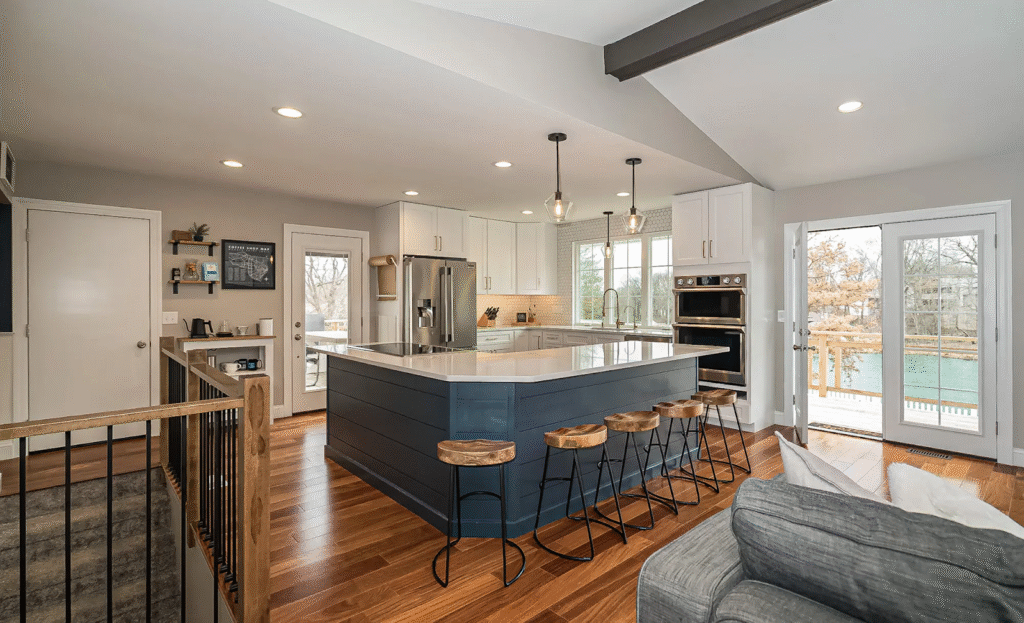
Most remodeling projects in Dallas follow several major phases. Each stage plays a role in completing the renovation successfully.
Planning and Design
This stage focuses on developing ideas and creating a clear vision for the project. Homeowners work with designers and contractors to determine layout changes, select materials, and set budgets. Planning usually includes creating floor plans, choosing finishes, and discussing the overall design.
Permits and Approvals
Many remodeling projects require city permits before construction can begin. Permits ensure that work follows local building codes and safety standards. Permit approvals can take several weeks, depending on the city and project complexity.
Material Ordering
Materials such as cabinets, flooring, appliances, and lighting fixtures must be ordered before construction begins. Some materials take longer to arrive, especially custom products. Ordering materials early helps prevent delays during the construction phase.
Construction Phase
The construction phase includes demolition, structural work, electrical wiring, plumbing installation, drywall, flooring, painting, and fixture installation. This stage is usually the longest part of the remodeling process.
Final Inspection
The final stage involves inspecting the completed work and making small adjustments if needed. Contractors and homeowners walk through the space to ensure everything meets expectations.
Step-by-Step Remodeling Timeline Explained
A remodeling project usually goes through several stages, from planning to completion. Professional contractors like DFW Property Remodelers typically follow a structured process to keep the project organized and on schedule. Below are the main steps involved in a typical remodeling timeline.
Initial Consultation
The process begins with a meeting between the homeowner and contractor. During this meeting, project goals, budgets, and design ideas are discussed. Homeowners often share inspiration photos and discuss how they want their space to function.
Design and Planning Stage
Designers create layouts and floor plans based on the homeowner’s needs. Material selections such as flooring, cabinets, countertops, and paint colors are finalized. This stage ensures that the project has a clear direction before construction begins.
Permits and Pre-Construction
Contractors submit plans for permits and schedule subcontractors. The work area is prepared, and materials are ordered. Proper preparation during this stage helps prevent delays later in the project.
Demolition
Demolition involves removing old walls, flooring, cabinets, and fixtures. This stage prepares the home for new construction. Hidden issues such as outdated wiring or plumbing may sometimes appear during demolition.
Rough-In Work
After demolition, contractors install plumbing lines, electrical wiring, and HVAC systems. These systems are carefully placed behind walls and under floors to support the functionality of the remodeled space. Before moving forward, the work is usually inspected to ensure everything meets building codes.
This stage is critical because it forms the foundation for all the systems inside the home. Any issues found during inspection must be corrected before walls are closed and finishing work begins.
Interior Finishes
Once structural work is complete, drywall is installed and painted to create the interior walls and ceilings. After that, contractors add flooring, tile, baseboards, and trim, which start to give the space its finished appearance.
During this stage, the overall design of the remodel becomes visible. Careful attention is given to details so the final result looks clean, polished, and professionally completed.
Cabinet and Fixture Installation
Cabinets, countertops, sinks, appliances, and lighting fixtures are installed during this stage. These elements help bring both functionality and style to the remodeled space. This step begins to bring the design vision to life, as the kitchen or bathroom starts to look complete. Contractors also make final connections for plumbing and electrical fixtures to ensure everything works properly.
Final Walkthrough
The project concludes with a final walkthrough between the contractor and the homeowner. During this review, the completed work is inspected to make sure everything meets the agreed design and quality standards. Any small adjustments or final touch-ups are addressed at this stage. Once everything is approved, the remodeling project is officially completed and ready for use.
Factors That Can Affect Remodeling Timelines
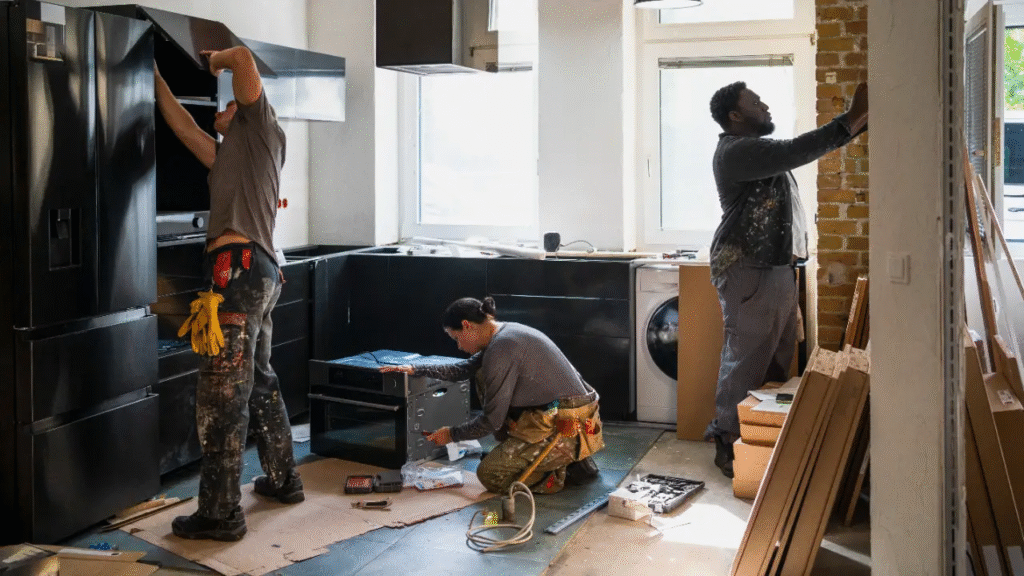
Several factors can influence how long a remodeling project takes. Some projects finish quickly, while others may take longer depending on planning, materials, and unexpected issues.
- Project Scope: Large renovations that involve structural changes or multiple rooms require more time than simple cosmetic updates.
- Permit Approvals: Permit processing times vary depending on city regulations. Some permits may take several weeks to receive approval.
- Material Availability: Certain materials may have long lead times. Custom cabinets, specialty tile, or imported products can extend the timeline.
- Structural Issues: During demolition, contractors may discover hidden issues such as water damage, outdated wiring, or plumbing problems.
- Contractor Scheduling: Remodeling projects require multiple professionals, including electricians, plumbers, and painters. Coordinating their schedules can affect project timing.
Typical Remodeling Timeline for Dallas Homes
Homeowners in Dallas may experience different remodeling timelines depending on local conditions. Factors such as contractor availability, city permit processing times, and material delivery schedules can influence how quickly a project moves forward.
The overall timeline can also depend on the size and complexity of the renovation project. Working with experienced remodeling professionals helps keep the project organized and ensures the work stays on schedule.
Tips to Keep Your Remodeling Project on Schedule
Planning can help homeowners reduce delays and keep their remodeling project moving smoothly. Helpful tips include:
- Finalize design decisions early
- order materials in advance
- Avoid changing plans during construction
- Communicate regularly with contractors
- Build extra buffer time into your schedule
Even well-planned projects can face unexpected delays, so flexibility is important.
Why Hiring the Right Remodeling Contractor Matters?
A professional remodeling contractor plays an important role in managing the entire renovation process. Experienced contractors help homeowners by managing project schedules, coordinating subcontractors, handling permits and inspections, and providing regular project updates throughout the remodel.
Working with a trusted contractor helps keep the project organized and ensures the work progresses smoothly. At DFW Property Remodelers in Dallas, our team helps homeowners plan and manage remodeling projects efficiently, ensuring quality work and a smooth renovation experience from start to finish.
Most Trusted Home Remodeling Contractor in Dallas, Texas
Common Remodeling Delays and How to Avoid Them?
Remodeling projects sometimes experience delays. Knowing the most common causes can help homeowners prepare.
Common delays include:
- material backorders
- permit approval delays
- structural problems discovered during demolition
- changes made during construction
How to Avoid Them?
Homeowners can reduce delays by planning carefully before the project begins. Ordering materials early and finalizing design decisions ahead of time helps keep the remodeling process running smoothly.
Working with experienced contractors and avoiding last-minute design changes can also help prevent disruptions. Proper planning and communication make it easier to keep the project on schedule.
Conclusion
A home remodeling timeline can range from several weeks to several months, depending on the size and complexity of the project. Smaller renovations, such as bathrooms or kitchens, are usually completed faster, while full home renovations take longer due to the number of steps involved.
By understanding each stage of the remodeling process and planning, homeowners can reduce delays and achieve successful renovation results. If you are planning a home renovation in Dallas, TX, working with experienced remodeling professionals can help you create a clear project schedule and avoid unexpected delays.
Dallas Home Remodeling: Customer Review
My name is Anthony, and I live in Dallas, TX. Our goal was to upgrade our kitchen and living space to make the home more modern and comfortable for our family. DFW Property Remodelers helped us plan the project, select quality materials, and organize the remodeling process from start to finish. Their team was professional, responsive, and always focused on delivering great results.
For any home remodeling project in Dallas, Fort Worth, Frisco, or anywhere in the DFW area, Contact DFW Property Remodelers for trusted service, expert guidance, and lasting results.
Home Remodeling Experts In Dallas, TX
Visit Us: 1826 Tartan Dr, Carrollton, TX 75006, USA
Call Us: (469) 550‑9306
Email: dfwpropertyremodelers@gmail.com
Hours: Mon–Fri: 9 AM–6 PM • Sat: 9 AM–4 PM • Sun: Closed
Call us now for your Home remodeling.
FAQs
1. How long does a typical home remodeling project take?
Most home remodeling projects take several weeks to several months, depending on the size and complexity of the renovation. Small projects like bathroom updates may take around 3–6 weeks, while kitchen remodels often take 6–16 weeks. Large renovations such as whole-home remodels can take several months or even up to a year.
2. What part of a remodeling project takes the longest?
The planning and preparation stage usually takes the longest in a remodeling project. This phase includes design planning, selecting materials, applying for permits, and scheduling contractors. Proper preparation helps reduce delays once construction begins.
3. Can homeowners stay in their house during remodeling?
Homeowners may stay in their house during smaller renovation projects that affect only one area, such as a bathroom or bedroom. However, larger remodels involving kitchens, plumbing systems, or multiple rooms may require temporary relocation. This helps maintain safety and comfort during construction.
4. What causes remodeling delays?
Remodeling delays often occur due to permit approval delays, material shortages, contractor scheduling issues, or hidden structural problems. During demolition, contractors may also discover issues like water damage or outdated wiring. These unexpected problems can extend the project timeline.
5. How can homeowners keep remodeling projects on schedule?
Homeowners can keep remodeling projects on schedule by planning ahead and finalizing design decisions early. Ordering materials in advance and maintaining clear communication with contractors also helps avoid delays. Hiring experienced professionals can keep the project running smoothly.
6. Do remodeling projects require permits?
Many remodeling projects require building permits, especially when structural, plumbing, or electrical work is involved. Permit requirements vary depending on city regulations and the scope of the renovation. Professional contractors typically handle the permit and inspection process.
7. What is the most expensive part of a home remodel?
The kitchen is often the most expensive area to remodel because it involves cabinets, appliances, countertops, plumbing, and electrical upgrades. Custom cabinetry and high-end materials can increase the overall cost. Bathrooms and structural changes can also add significant expenses.
8. How much does a home remodeling project cost?
The cost of remodeling depends on the size of the project, materials used, and labor required. Small renovations may cost a few thousand dollars, while larger remodels can cost much more. Getting detailed quotes from contractors helps homeowners plan their budget effectively.
9. When is the best time to start a remodeling project?
The best time to start a remodeling project is when contractors are available and materials can be delivered on time. Many homeowners plan renovations months in advance to avoid scheduling delays. Good planning helps ensure the project runs smoothly.
10. How do I choose the right remodeling contractor?
Choosing the right contractor involves checking experience, licenses, reviews, and previous project work. A reliable contractor will provide clear timelines and maintain good communication throughout the project. Working with professionals like DFW Property Remodelers in Dallas helps ensure quality results.